LOFT INSULATION
Loft insulation is a crucial component of home energy efficiency. It involves adding a layer of insulating material in the space between the roof and the ceiling of a building, commonly known as the loft or attic. The primary purpose of loft insulation is to reduce heat loss from the living space below, making the home more energy-efficient and comfortable. Here are some key points about loft insulation:
Material Types
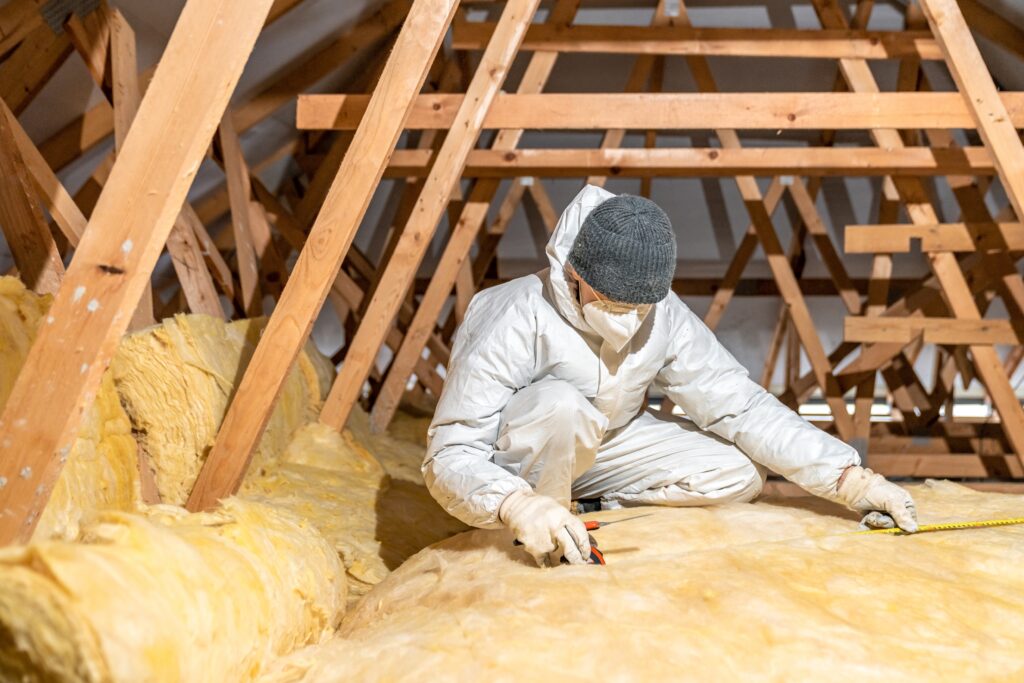
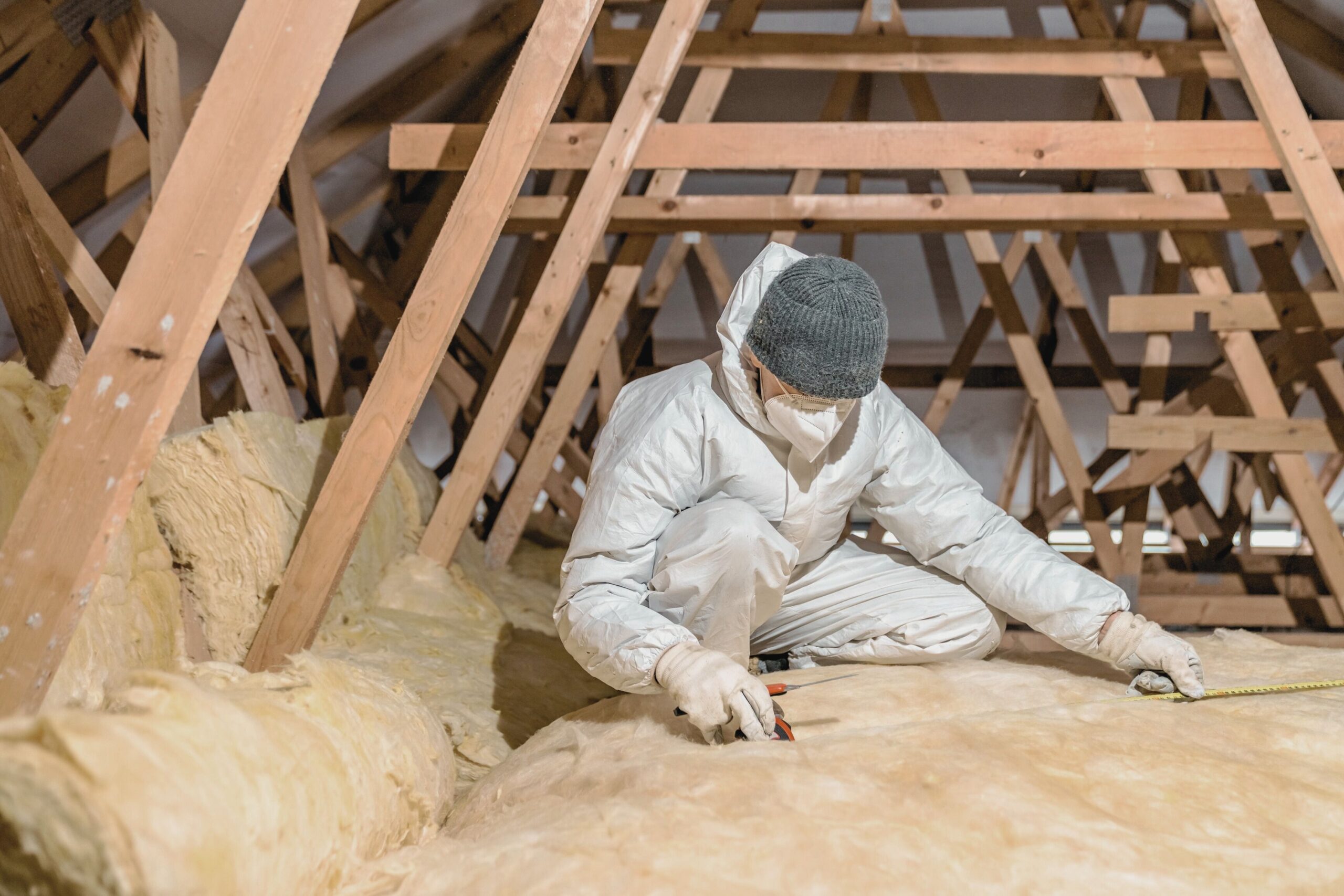
- Mineral Wool (Fiberglass or Rock Wool) This is a common type of insulation material. It comes in rolls or batts and is effective at trapping air, providing good insulation.
- Cellulose Made from recycled paper or plant fibres, it is often blown into the loft space as loose-fill insulation.
- Foam Board or Rigid Foam These are solid boards of foam material, such as expanded or extruded polystyrene, providing a good thermal barrier.
Installation
- Rolls or Batts These are typically laid between the joists and over the loft floor. The material is cut to fit the space and provide a continuous layer of insulation.
- Blown-in Insulation This involves spraying loose-fill insulation into the loft space, effectively covering irregularly shaped areas and filling gaps.
Benefits
- Energy Efficiency Loft insulation helps retain heat in the winter and keeps the home cooler in the summer, reducing the need for heating and cooling.
- Cost Savings By minimizing heat loss, homeowners can save on energy bills.
- Environmental Impact Improved energy efficiency contributes to a lower carbon footprint.
Thickness and R-Value
The effectiveness of insulation is often measured by its R-value, which represents its thermal resistance. Higher R-values indicate better insulation. The recommended thickness of loft insulation depends on the material used and the desired R-value.
Building Regulations
In some regions, there are building regulations that specify minimum insulation requirements. It’s important to check and comply with these regulations when installing or upgrading loft insulation.
Properly installed loft insulation can make a significant difference in the energy efficiency and comfort of a home, and it’s often considered a cost-effective measure for improving overall building performance.