PAS 2030

PAS 2030 refers to the British standard for the installation of energy efficiency measures in existing buildings. This standard is crucial for contractors and installers involved in the implementation of energy efficiency improvements. The process associated with PAS 2030 involves several key steps:
- Training and Certification: Contractors and installers need to ensure that they and their employees are appropriately trained and certified for the specific energy efficiency measures they plan to install. This often involves attending accredited training programs.
- Quality Management System (QMS): Implementing a Quality Management System compliant with PAS 2030 standards is essential. This involves documenting and following specific processes to ensure the quality and consistency of installations.
- Assessment and Survey: Before any work begins, a thorough assessment of the building is typically conducted. This includes identifying the most effective energy efficiency measures and assessing the suitability of the building for the proposed improvements.
- Customer Consultation: Contractors are required to engage with the building owner or occupier to discuss the proposed measures, potential benefits, and any potential disruption. Clear communication with the customer is a key aspect of the process.
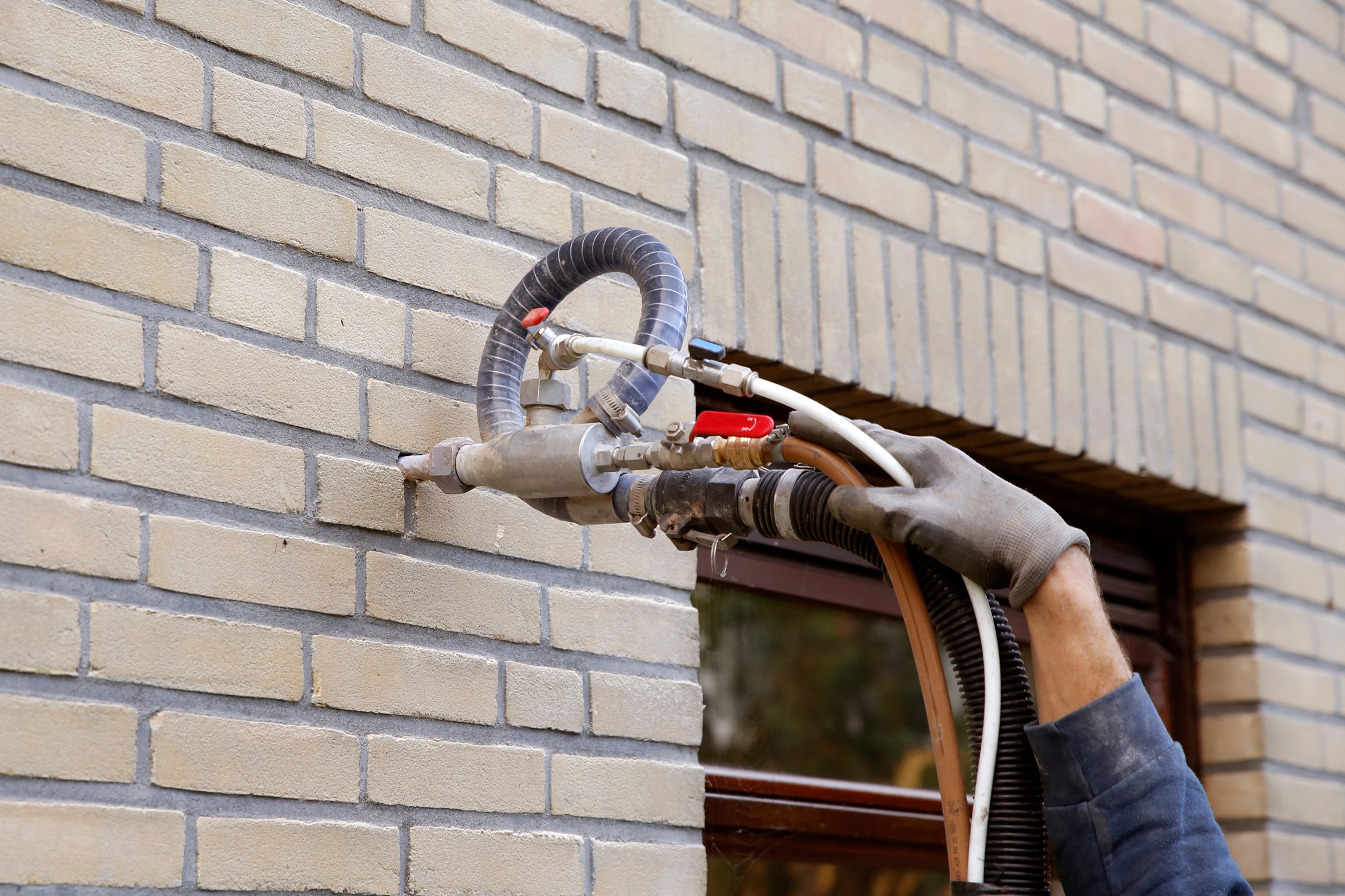
- Installation: The actual installation of energy efficiency measures is carried out following industry best practices and the specific requirements outlined in PAS 2030. This may involve the installation of insulation, heating systems, windows, or other measures.
- Documentation: Detailed documentation of the installation process, including specifications, materials used, and any relevant test results, must be maintained. This documentation is often required for compliance and quality assurance purposes.
- Commissioning and Testing: After installation, systems may need to be commissioned and tested to ensure they operate as intended. This step helps verify that the energy efficiency measures are functioning properly.
- Independent Inspection: Independent third-party inspections may be required to verify compliance with PAS 2030 standards. This ensures that the work has been carried out in accordance with the requirements of the standard.
- Submission of Data: Contractors may need to submit relevant data and documentation to the appropriate accreditation or certification body to demonstrate compliance with PAS 2030.
- Monitoring and Evaluation: Monitoring the performance of installed measures over time and evaluating the overall effectiveness of the energy efficiency improvements is an ongoing process. This may involve feedback from building occupants and additional inspections.
It’s important to note that standards and regulations can change over time, so it’s advisable to consult the latest version of PAS 2030 and any relevant updates or amendments for the most current information.