EXTERNAL WALL INSULATION
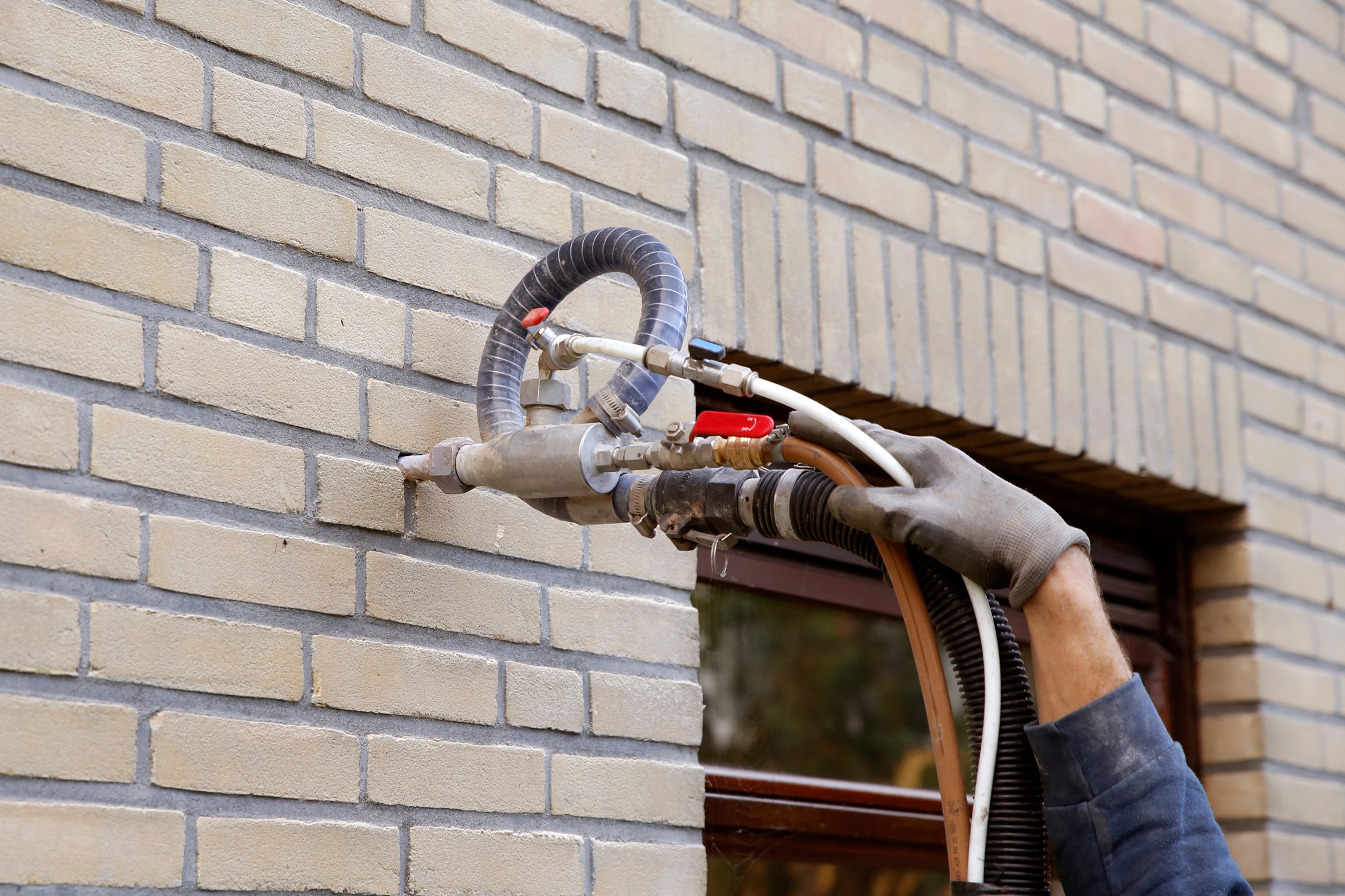
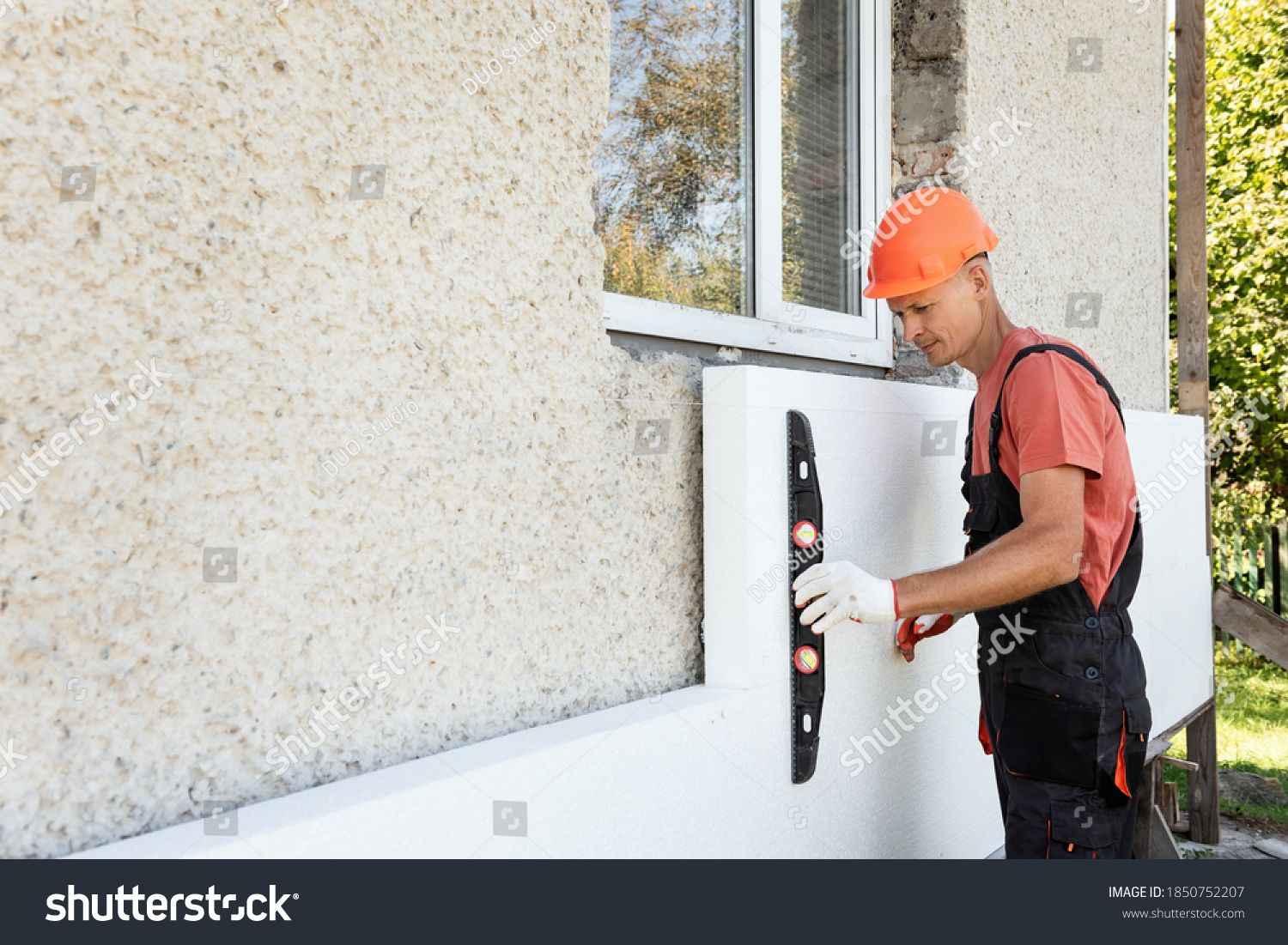
External wall insulation (EWI) is a construction method used to improve the thermal performance and energy efficiency of buildings. It involves the application of insulation material to the external walls of a structure, followed by a protective and decorative finish. This process helps to reduce heat loss, enhance comfort, and decrease energy consumption for heating or cooling.
Here are key components and considerations related to external wall insulation:
Insulation Material
Various insulation materials can be used in EWI, such as expanded polystyrene (EPS), extruded polystyrene (XPS), mineral wool, or polyurethane foam. The choice of material depends on factors like thermal performance, cost, and suitability for the specific application.
Fixings
Mechanical fixings, such as adhesive or mechanical anchors, are used to secure the insulation boards to the existing wall surface.
Base Coat and Reinforcement
After the insulation is in place, a base coat is applied over it. A reinforcing mesh is embedded in this layer to provide additional strength and flexibility.
Finish Coat
The final layer is the finish coat, which serves as a protective and decorative covering. This can be textured, or smooth, and various colours and finishes are available to suit aesthetic preferences.
Weatherproofing
External wall insulation systems are designed to be weather-resistant. They protect the building from moisture, wind, and other environmental factors.
Benefits
- Energy Efficiency EWI helps reduce heat loss, leading to lower energy bills and a more sustainable building.
- Improved Comfort Insulating the external walls enhances thermal comfort inside the building.
- Renewable Energy Compliance EWI may contribute to meeting energy efficiency standards and requirements for renewable energy sources.
Installation Considerations
- Professional Installation EWI should be installed by trained and certified professionals to ensure proper application and effectiveness.
- Building Regulations Compliance with local building regulations and standards is essential.
Cost Considerations
While EWI can improve energy efficiency over time, there are upfront costs associated with materials, labour, and installation.