SOLAR
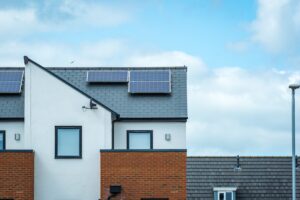
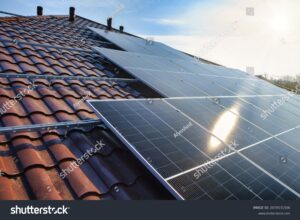
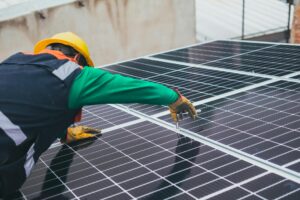
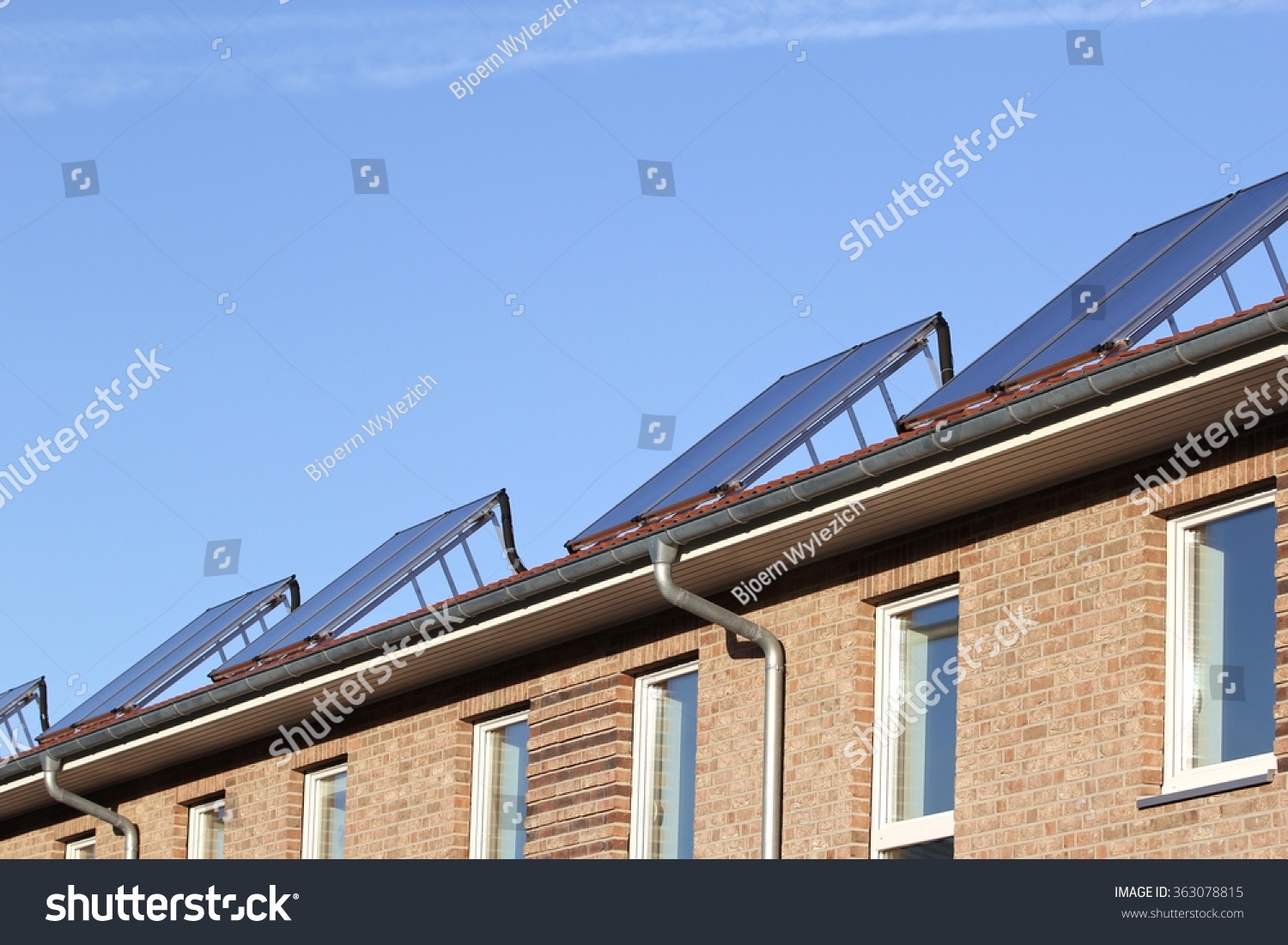
Solar photovoltaic (PV) technology is a method of converting sunlight into electricity using semiconductor materials that exhibit the photovoltaic effect. The photovoltaic effect is the process by which certain materials generate electric current when exposed to sunlight. Solar PV systems are widely used for both residential and commercial applications to harness clean and renewable energy from the sun.
How solar photovoltaic systems work
Solar Panels (Photovoltaic Modules): The basic building blocks of a solar PV system are the solar panels, also known as photovoltaic modules. These panels consist of semiconductor materials, usually silicon-based, that absorb photons (light particles) from the sun.
Photovoltaic Effect: When sunlight hits the semiconductor material in the solar panels, it excites electrons, causing them to move and create an electric current. This phenomenon is known as the photovoltaic effect.
Inverter: The generated direct current (DC) from the solar panels is then sent to an inverter. The inverter converts the DC electricity into alternating current (AC), which is the type of electricity used in most homes and businesses.
Grid Connection (if applicable): In grid-tied systems, the converted AC electricity can be used to power the electrical appliances within the building. If the solar PV system produces more electricity than needed, the excess can be fed back into the grid, and some regions offer compensation or credits for this excess power through net metering programs.
Battery Storage (optional): Some solar PV systems are equipped with battery storage to store excess electricity generated during the day. This stored energy can be used during periods when the sun is not shining, such as at night or on cloudy days.
Advantages of solar photovoltaic systems
Renewable Energy Source: Solar energy is abundant and renewable, making it an environmentally friendly choice.
Reduced Electricity Bills: Solar PV systems can significantly reduce or eliminate electricity bills, especially in areas with high sun exposure.
Low Operating Costs: Solar PV systems generally have low operating and maintenance costs.
However, challenges include the intermittent nature of sunlight, the need for energy storage solutions for round-the-clock power, and the initial upfront costs of installing solar PV systems. Advances in technology, government incentives, and increasing awareness of environmental issues are contributing to the growing adoption of solar photovoltaic systems worldwide.