CAVITY WALL INSULATION
Cavity wall insulation is a method of insulating the walls of a building by filling the space (cavity) between the inner and outer walls with an insulating material. This helps improve the energy efficiency of a building by reducing heat loss through the walls.
Many buildings, especially those constructed after 1920, have cavity wall construction. This consists of two layers of masonry (usually brick or block), with a gap (cavity) between them.
Insulation material
Common materials used for cavity wall insulation include
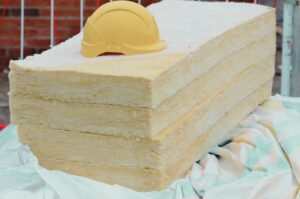
- Mineral Wool This is often in the form of mineral wool batts or blown insulation.
- Foam Board Rigid foam boards are sometimes used for cavity insulation.
- Polystyrene Beads These are small beads that can be injected into the cavity.
Installation process
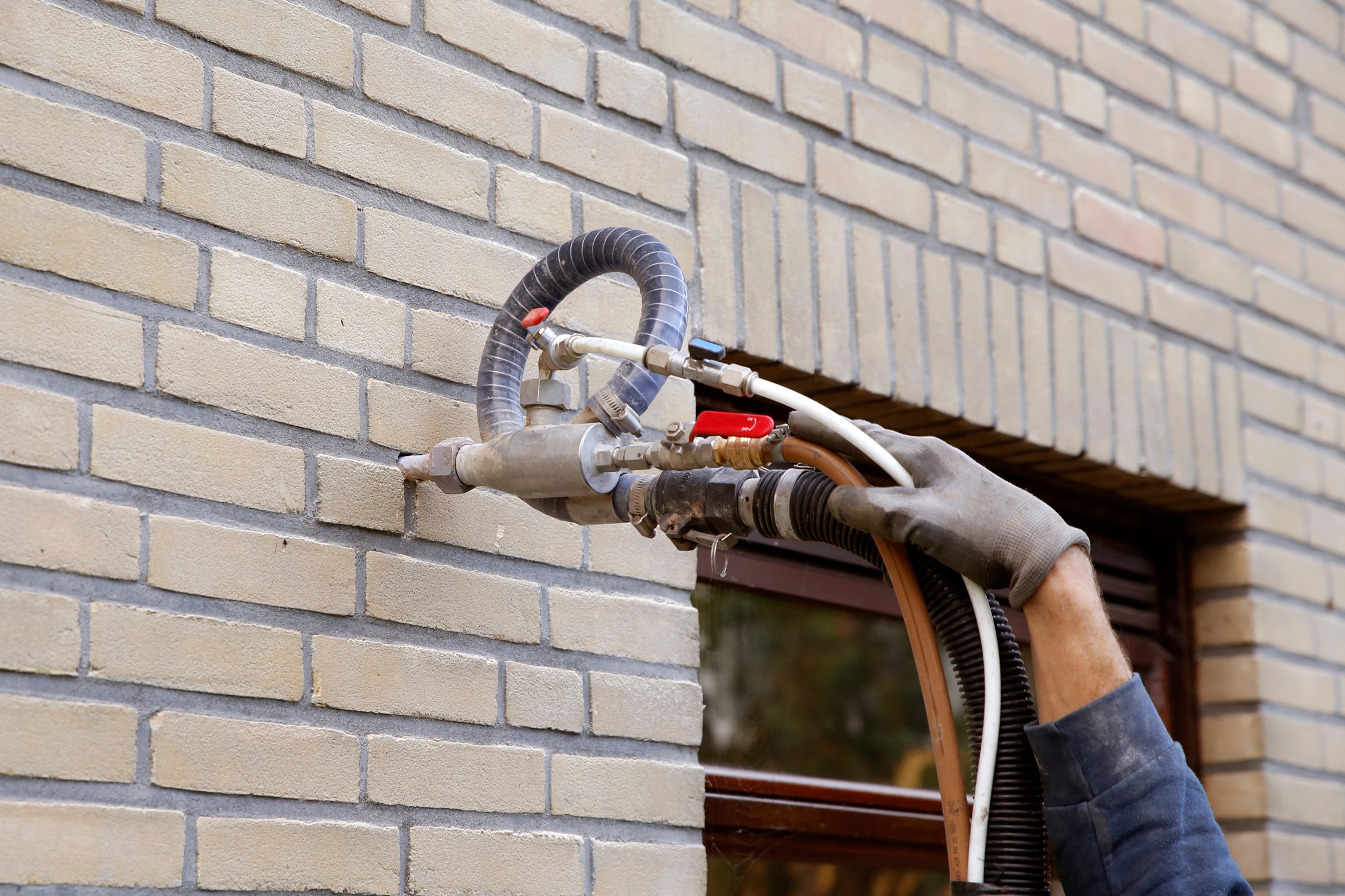
Cavity wall insulation is typically installed by drilling small holes in the outer wall and injecting the insulation material into the cavity. The holes are then filled or patched. Cavity wall insulation helps reduce heat loss from a building, making it more energy efficient.
Cost savings and comfort
By improving insulation, homeowners can potentially save on heating and cooling costs. Improved thermal efficiency can lead to a more comfortable indoor environment.
Professional Installation
Cavity wall insulation should only be installed by trained professionals to ensure proper coverage and avoid potential issues. Adequate moisture barriers should be in place to prevent water ingress into the cavity.
Effectiveness
Cavity wall insulation is effective in many climates, but its impact depends on various factors, including the type of insulation material used, the condition of the walls, and the overall thermal performance of the building.